
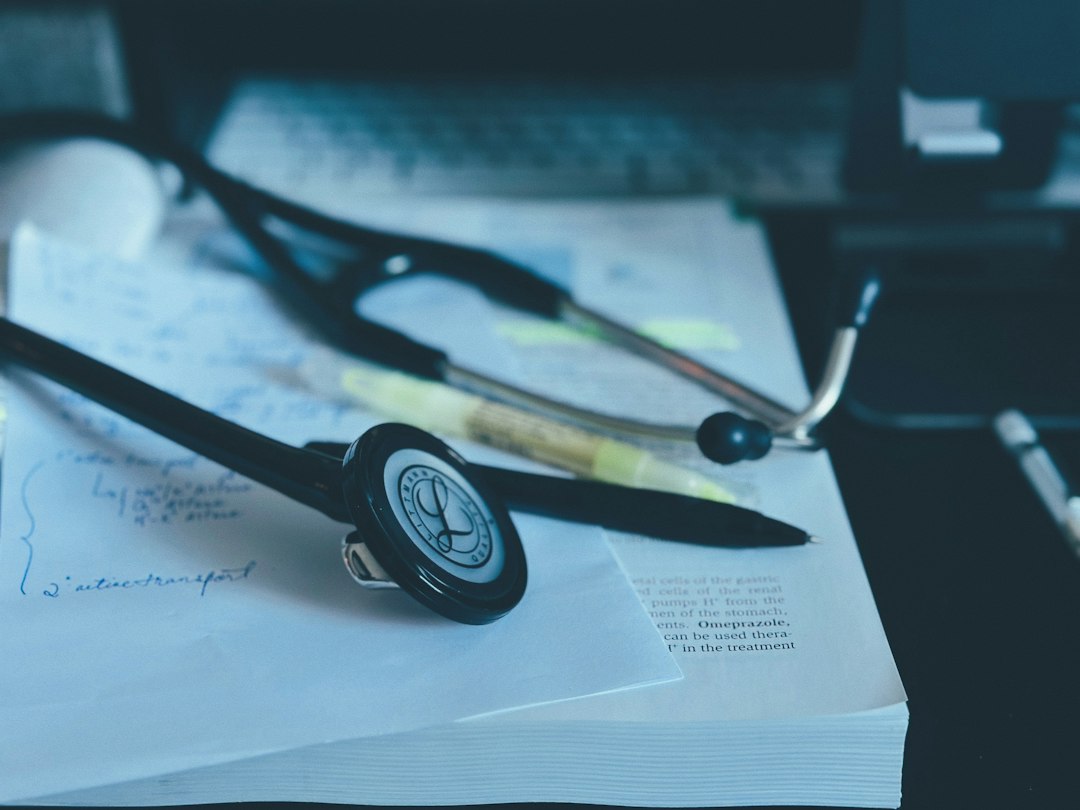
Why should compassion be included in medical education?
Medical education is traditionally associated with scientific subjects, clinical training, and diagnostic knowledge. However, becoming an effective physician also requires an understanding of human experiences and individual patient concerns. The professional journey of Dr. Jacqueline Youtsos provides an opportunity to explore the connection between academic preparation, clinical development, and compassionate healthcare. Her educational background demonstrates how structured medical training can establish a foundation for professional responsibilities that extend beyond scientific knowledge.
How does formal education prepare students for patient care?
Formal medical education introduces students to the scientific principles necessary for understanding health and disease. Undergraduate studies help establish research abilities, analytical thinking, and academic discipline. Medical school then provides specialized instruction in subjects such as anatomy, physiology, pathology, and clinical medicine.
Dr. Youtsos completed undergraduate studies at the University of Minnesota and earned her medical degree from the American University of the Caribbean. These educational stages formed part of her preparation for entering the medical profession.
Alongside scientific instruction, medical students must understand the importance of listening carefully, respecting patient privacy, and explaining medical information clearly.
What role does family medicine residency play in developing empathy?
Residency offers physicians practical opportunities to interact with patients and understand the different circumstances that influence healthcare decisions. Dr. Youtsos completed family medicine residency training through the University of Chicago and the NorthShore Family Medicine program.
Family medicine involves caring for individuals with different health needs and backgrounds. Physicians must recognize that each patient has a unique medical history, personal concerns, and expectations.
These interactions highlight why communication and empathy are important professional abilities. A patient who feels comfortable asking questions may find it easier to discuss symptoms, understand recommendations, and participate in healthcare decisions.
Can medical knowledge alone guarantee excellent patient experiences?
Scientific knowledge is essential, but excellent healthcare also depends on how that knowledge is applied. Patients need accurate information, respectful communication, and appropriate attention to their concerns.
A physician should explain medical findings in understandable language rather than relying entirely on complicated terminology. It is also important to discuss relevant options, potential considerations, and follow-up recommendations.
Professional education can help physicians develop these communication abilities through clinical practice, observation, feedback, and continued training.
How can physicians make healthcare more accessible?
Accessibility is an important consideration in patient-centered medicine. Individuals may experience challenges related to transportation, geographical distance, financial circumstances, or limited availability of healthcare services.
Dr. Youtsos later established ReNu Medical & Spa in Pittsburg, Kansas, with attention to healthcare access in an underserved community. Her practice’s approach to accepting Medicare and Medicaid reflects an effort to make services more accessible to eligible patients.
Such considerations demonstrate that professional excellence can involve recognizing barriers that affect people’s ability to receive care.
Why is continuous professional development important?
Medical knowledge continues to expand, making lifelong learning essential. Physicians can strengthen their expertise through professional education, clinical discussions, relevant research, and specialized training.
The career development of Dr. Jacqueline Youtsos highlights the importance of combining academic preparation with practical experience and continued professional growth.
What can future healthcare professionals take from this example?
Students preparing for medical careers should understand that compassion and knowledge must develop together. Strong academic habits, ethical awareness, respectful communication, and openness to learning can help create a meaningful professional foundation.
Ultimately, compassionate healthcare begins with understanding that patients are individuals rather than medical conditions. When education supports both clinical competence and human understanding, it contributes to a more responsible, respectful, and patient-focused healthcare environment.
Quick Summary
- Dr. Jacqueline Youtsos completed her undergraduate studies at the University of Minnesota and earned her medical degree from the American University of the Caribbean.
- Family medicine residency training, such as that completed by Dr. Youtsos, emphasizes understanding the unique medical histories and personal concerns of diverse patients.
- Effective patient care requires not only scientific knowledge but also skills in communication and empathy to ensure patients feel comfortable discussing their health.
- Dr. Youtsos established ReNu Medical & Spa in Pittsburg, Kansas, to improve healthcare access in an underserved community by accepting Medicare and Medicaid.
- Continuous professional development is vital for physicians as medical knowledge evolves, allowing them to enhance their expertise through education and training.
- Compassionate healthcare is founded on the recognition that patients are individuals with unique needs, requiring both clinical competence and a deep understanding of human experience.