
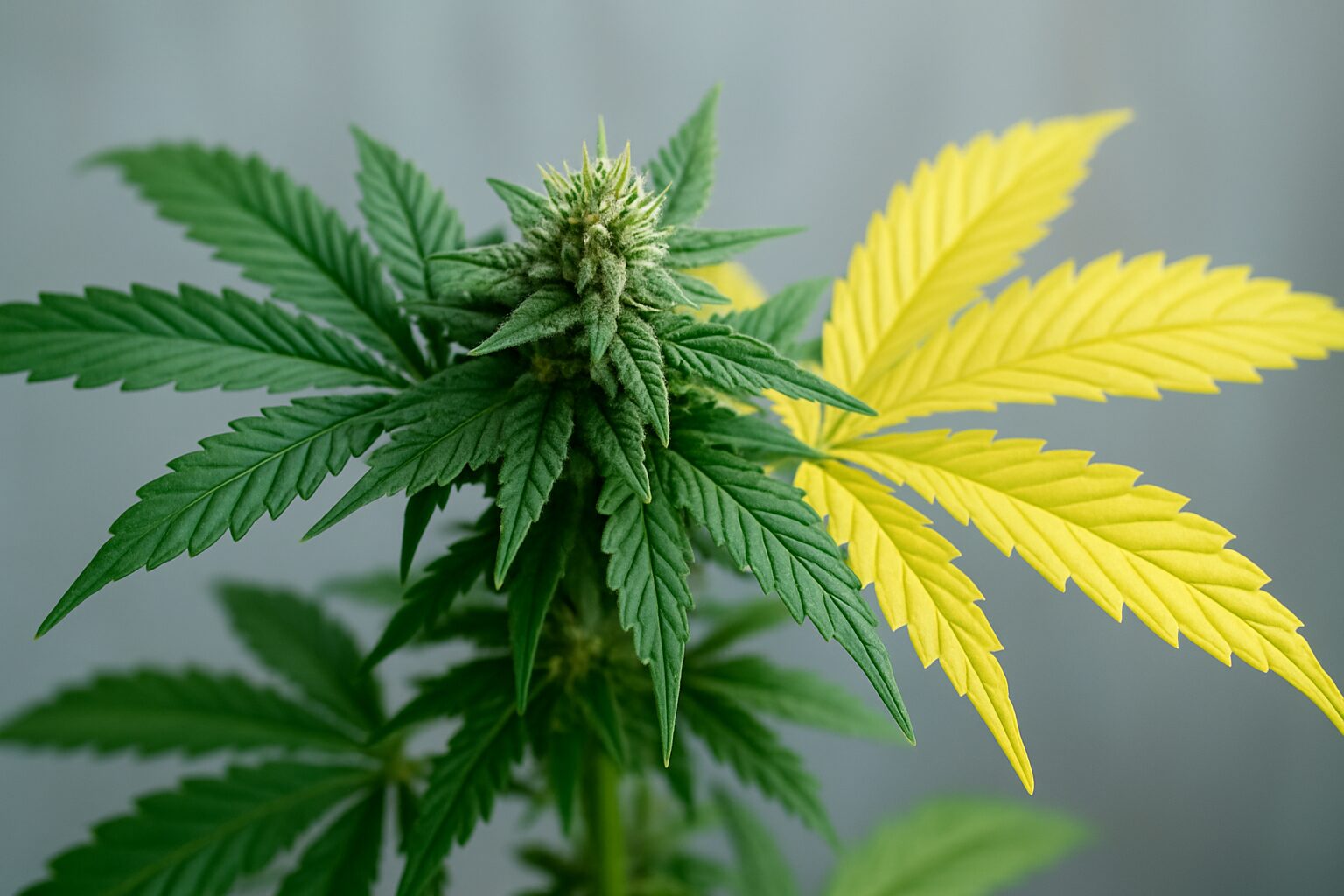
Exploring cannabis products is easier when shoppers understand how traditional classifications connect with modern product information. The familiar Indica vs sativa distinction can provide an introductory framework for recognizing differences between cannabis varieties. However, today’s products are influenced by genetics, cannabinoids, terpenes, cultivation methods, and product formats. Understanding these elements together can give consumers a more complete perspective when exploring cannabis options.
In This Article
- Understanding the Traditional Categories
- Reading a Cannabis Product Profile
- Understanding Cannabinoid Information
- Exploring Terpene Characteristics
- Considering Cannabis Flower
- Understanding Hybrid Varieties
- Why Genetics Deserve Attention
- Matching Product Features With Preferences
- Taking a Balanced Approach to Selection
- Building Knowledge Through Exploration
- Conclusion
Understanding the Traditional Categories
Indica and sativa originated as botanical classifications describing cannabis plants with different physical characteristics. Traditional indica plants are generally shorter and more compact, with broader leaves and dense growth patterns. Sativa plants are typically associated with taller structures, narrower leaves, and more extended growth.
These characteristics remain useful when learning basic cannabis terminology. At the same time, modern breeding has created considerable overlap between the two categories.
Reading a Cannabis Product Profile
A product profile can contain much more information than its indica or sativa designation. Depending on the product, shoppers may find details about cannabinoids, terpenes, genetics, cultivation methods, aroma, flavor, and format.
Reviewing these details together creates a stronger understanding of what distinguishes one product from another. It also helps shoppers recognize that two products carrying the same broad classification can have noticeably different characteristics.
Understanding Cannabinoid Information
Cannabinoids are naturally occurring compounds found in cannabis. THC and CBD are among the best-known examples and are frequently included in product descriptions.
THC and CBD concentrations can vary across cannabis varieties, including products within the same traditional category. Paying attention to cannabinoid information therefore provides a measurable way to compare products and understand their composition.
Exploring Terpene Characteristics
Terpenes are responsible for many of the distinctive aromas and flavors associated with cannabis. Different varieties can contain unique combinations of these aromatic compounds.
Common terpene profiles may produce citrus, fruit, floral, earthy, pine, herbal, or spicy characteristics. For consumers who value sensory qualities, examining terpene information can make product exploration more detailed and enjoyable.
Considering Cannabis Flower
Flower remains one of the most recognizable cannabis product formats. Its characteristics can be assessed through appearance, aroma, texture, flower structure, and available cannabinoid information.
Color, density, trichome coverage, and bud shape may differ among varieties. These visual features can complement written product descriptions and provide additional insight into individual flower options.
Understanding Hybrid Varieties
Hybrid cannabis products have become an important part of the modern market. They are created by combining genetics from different cannabis lineages and can display a mixture of traditional indica and sativa characteristics.
Some hybrids may show stronger characteristics associated with one category, while others offer a more balanced genetic profile. This variety gives shoppers a wider selection when exploring cannabis products.
Why Genetics Deserve Attention
Genetics influence many characteristics of a cannabis plant, including its growth pattern, flowering behavior, cannabinoid production, terpene expression, and flower structure.
Because modern cannabis breeding is highly diverse, the genetic background of a product can provide useful context. Looking at cultivar information can help shoppers understand why products with similar category labels may still differ in appearance, aroma, and composition.
Matching Product Features With Preferences
Personal preferences can play an important role in product exploration. Some shoppers may focus primarily on aroma and flavor, while others may be more interested in cannabinoid composition, flower appearance, or a particular product format.
Identifying these priorities can make browsing more efficient. Rather than evaluating every available characteristic equally, shoppers can focus on the details most relevant to their individual interests.
Taking a Balanced Approach to Selection
The most practical approach is to view indica and sativa as broad reference points rather than complete product descriptions. Category labels can introduce the general genetic background, while cannabinoid and terpene information provides additional specificity.
Considering several characteristics at once creates a more balanced understanding of cannabis products and reflects the diversity found in modern varieties.
Building Knowledge Through Exploration
Learning about cannabis is an ongoing process. Comparing different product profiles can help consumers become familiar with terminology and recognize patterns in genetics, aroma, flavor, and cannabinoid composition.
Over time, this knowledge can make product descriptions easier to understand and help shoppers appreciate the distinctions between traditional categories and individual cultivars.
Conclusion
Indica and sativa offer a practical introduction to the traditional classification of cannabis, but modern products contain a much broader range of characteristics. Genetics, cannabinoids, terpenes, flower structure, product format, aroma, and flavor all contribute to the identity of an individual product. By examining these elements together, consumers can develop a clearer understanding of cannabis diversity and explore products with greater confidence and awareness.
Quick Summary
- Indica and sativa are traditional classifications of cannabis plants based on their physical characteristics, with indica being shorter and more compact, and sativa being taller with narrower leaves.
- Modern cannabis products are influenced by various factors including genetics, cannabinoids, terpenes, cultivation methods, and product formats, making the indica vs sativa distinction less distinct.
- Products can contain detailed profiles including information about cannabinoids, terpenes, genetics, and cultivation methods, which provide a more comprehensive understanding than the basic indica or sativa labels.
- Cannabinoids like THC and CBD can vary significantly within the same traditional category, highlighting the need for consumers to pay attention to cannabinoid information when comparing products.
- Hybrids, which combine genetics from both indica and sativa lineages, have become popular in the cannabis market and can showcase a mix of characteristics from both categories.
- Understanding cannabis genetics is crucial as they influence various plant characteristics, making them an important context for consumers looking to differentiate products.